
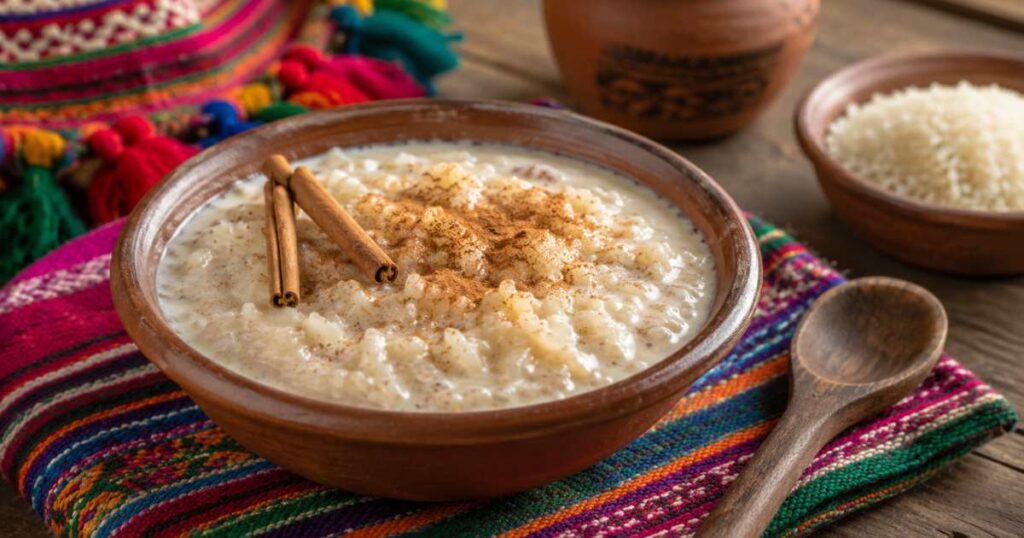
A search for the best arroz con leche boliviano near me usually starts with a very specific kind of hunger not for just any rice pudding, but for the rich, homestyle Bolivian version that tastes like it came from someone’s kitchen, not a factory line. The problem is that most menus lump every rice pudding under one generic label, so the real thing can be easy to miss even when it’s sitting a few blocks away.
This guide walks through what makes Bolivian arroz con leche unique, how to actually find it nearby, what to ask before you order, and how to tell a great batch from a mediocre one.
What Makes Bolivian Arroz con Leche Different
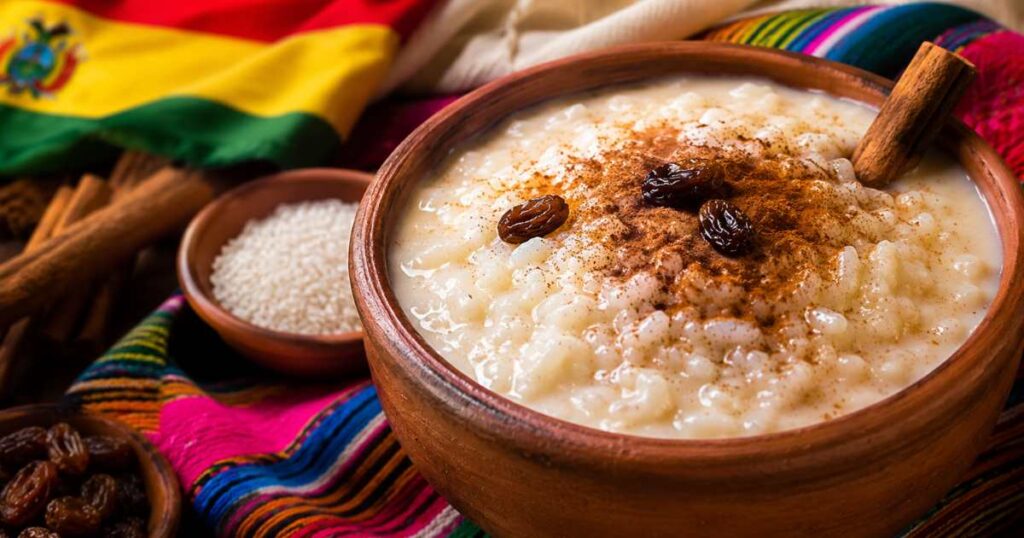
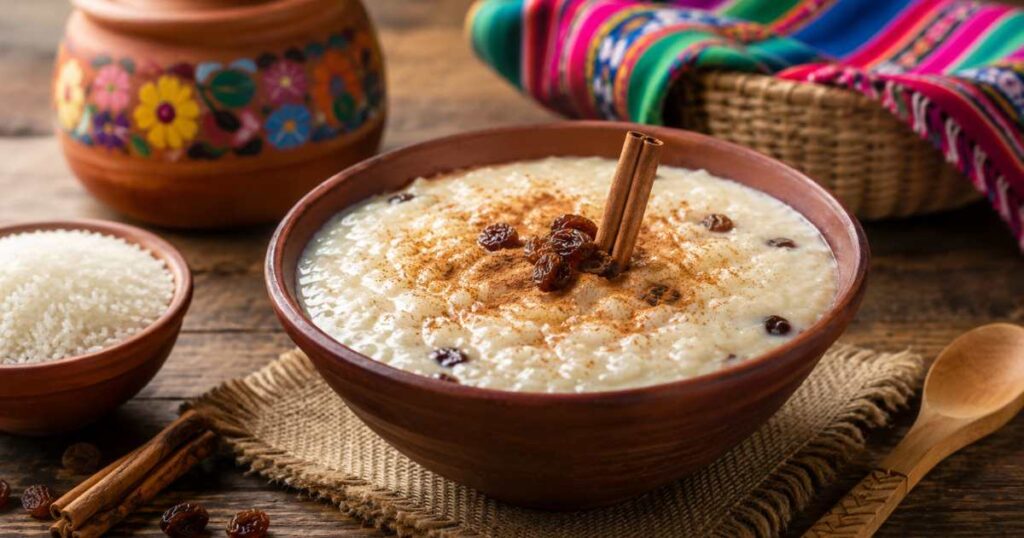
At its core, arroz con leche boliviano is rice slow-cooked in milk with sugar and cinnamon. Many home cooks add extras like cloves, citrus peel, condensed milk, evaporated milk, vanilla, or raisins, depending on family tradition. The result should be smooth and comforting, never watery or gritty.
What sets the Bolivian style apart from other Latin American versions is its texture and pacing:
- Slow cooking that lets the rice release starch gradually, building a naturally creamy base instead of relying on thickeners.
- A deeper cinnamon presence, often from whole sticks rather than ground spice, giving the dessert a warmer, rounder aroma.
- A homestyle balance between sweetness and spice rich, but never cloying.
There’s no single “correct” recipe. A version from La Paz can taste noticeably different from one made by a family with roots in Cochabamba or Santa Cruz. That variation is part of the tradition. What stays constant is the feeling: this is comfort food tied to holidays, cold evenings, and family gatherings, not a dessert designed to impress with garnish.
Related post: Pink Salt Recipe for Weight Loss: Truth vs. Hype
How to Search for the Best Arroz con Leche Boliviano Near You
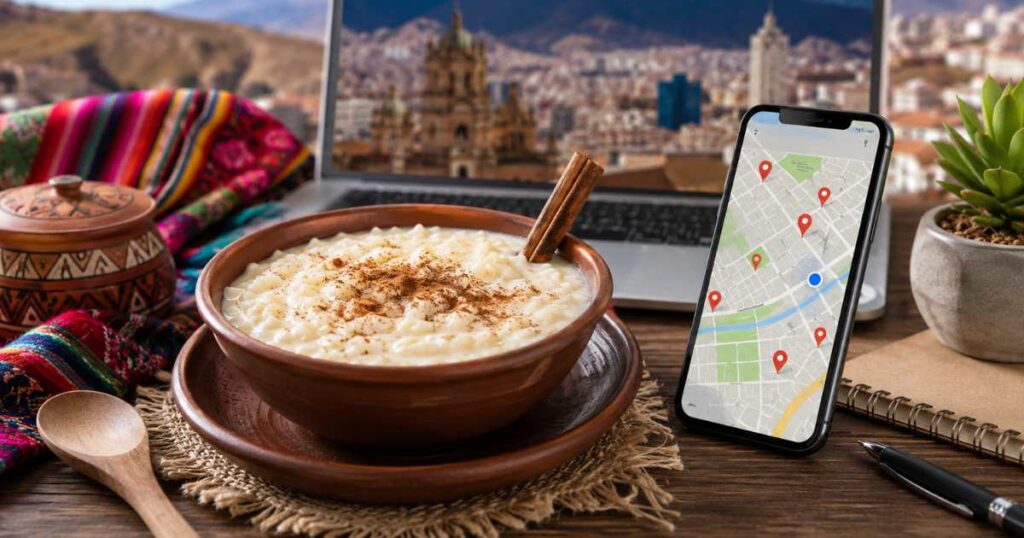
The exact phrase “arroz con leche boliviano near me” is a good starting point, but it’s rarely enough on its own. Small Bolivian kitchens and home cooks often don’t optimize their online listings, so widening your search terms matters.
Try rotating through these searches:
- “Bolivian restaurant near me”
- “Bolivian desserts near me”
- “Comida boliviana”
- “Latin rice pudding near me”
- “Postres bolivianos” or “postres caseros”
Add your city or neighborhood name to each one. Searching in Spanish is especially useful, since many home cooks and small vendors describe their menus in Spanish before English.
Don’t stop at delivery apps. Many family-run kitchens skip listing desserts online altogether, especially rotating weekend specials. A short phone call “Do you have arroz con leche today?” often gets a faster, more accurate answer than scrolling through an incomplete menu. Social platforms like Instagram, Facebook, and TikTok are also worth checking, since home vendors frequently post pickup menus there before anywhere else.
Where You’re Most Likely to Find It
| Source | What to Look For | Why It Works |
| Bolivian restaurants | Salteñas, silpancho, pique macho, sopa de maní on the menu | Kitchens serving Bolivian staples often make arroz con leche on request, even if it’s not listed |
| Latin bakeries | Cups sold near flan, tres leches, or alfajores | Ask how it’s made cinnamon sticks and condensed milk are good signs |
| Home cooks & caterers | Weekend or holiday-only batches | Often the freshest and most traditional versions |
| Latin markets & grocers | Refrigerated dessert cases or staff recommendations | Staff frequently know which local cooks sell it |
If a restaurant serves other traditional Bolivian dishes, there’s a strong chance someone in the kitchen can make arroz con leche, even if it only appears on weekends or during colder months. Community groups and church events are another underrated source traditional desserts often circulate through word of mouth long before they reach a public menu.
What to Ask Before Ordering
A few quick questions can save you from a disappointing order:
- Is it made today, or held over from a previous batch? Freshness affects texture more than almost anything else.
- Is it served warm or cold? Both are traditional, but they create very different experiences warm versions are softer and more fragrant, while cold versions are thicker and firmer.
- Is it thick and creamy, or light and milky? This tells you the style before you commit.
- What’s in it? Ask about cinnamon, cloves, condensed milk, evaporated milk, and raisins especially if you have dietary restrictions, since most versions contain multiple dairy products.
These are simple questions, but staff can usually answer them faster than you’d expect, and the answers tell you a lot about whether the dish matches what you’re craving.
How to Judge Quality Once It Arrives
Quality is easy to judge with a few senses:
- Smell first. It should smell like milk, cinnamon, and cooked rice never burnt, sour, or flat.
- Check the rice. Grains should be tender but still hold their shape. Mushy or pasty rice usually means it was overcooked or held too long.
- Taste the balance. Sweetness should support the cinnamon and milk, not overpower them. A well-made batch doesn’t taste like straight sugar.
- Look at texture over presentation. A plain cup from a home cook can easily beat a decorated restaurant bowl. Creaminess and freshness matter far more than how it’s plated.
If it’s cold and seems overly thick, give it a stir before judging rice continues absorbing milk as it sits in the fridge, which can make a good batch look thicker than it actually tastes.
Price, Portions, and Delivery Tips
Arroz con leche is typically one of the more affordable desserts on a Latin menu, though pricing varies by city, portion size, and platform fees.
A few practical tips:
- Pickup beats delivery for dairy-based desserts, since you control timing and temperature.
- If it arrives too thick, stir in a splash of milk to loosen it back up.
- If it arrives warm but has cooled, reheat gently rather than boiling it, which can break the texture.
- For larger, family-size portions, ask the seller how to store and loosen it before serving guests.
Don’t let it sit in a hot car or on a counter for long stretches like any milk-based dessert, it’s best enjoyed soon after pickup.
Common Mistakes People Make
- Assuming all rice pudding is the same. Mexican, Cuban, Peruvian, and Bolivian versions can look alike but differ in texture and spice.
- Judging by overall restaurant rating alone. A spot known for great salteñas might have only average dessert. Search reviews specifically for terms like “arroz,” “cinnamon,” or “dessert.”
- Equating fancy presentation with better quality. A plain cup from a small vendor often beats a decorated version that skimps on technique.
- Giving up after one search. If a non-Bolivian version is all that’s available nearby, ask how it’s made before ruling it out a well-made Latin rice pudding can still satisfy the craving.
If You Can’t Find It Nearby
When local searches come up short, widen the radius. South American restaurants, Latin bakeries, community markets, and home-based sellers in nearby towns especially areas with lower rent where family-run kitchens tend to cluster are all worth checking.
Posting in local Latin food groups can also turn up better leads than a map search, especially if you specify whether you want it warm, cold, thick, or milky.
If nothing turns up, making it at home is realistic and rewarding. You need rice, milk, sugar, cinnamon, and patience:
- Cook milk gently with cinnamon sticks (and a few cloves, if you like) before adding rice.
- Keep the heat low and stir often milk scorches quickly if rushed.
- Add condensed or evaporated milk near the end for extra richness.
- Taste as you go, since sweetness and texture are personal preferences.
What is the best way to find arroz con leche boliviano near me?
Search for Bolivian restaurants first, then check Latin bakeries, home cooks, and local food groups using both English and Spanish search terms.
Is Bolivian arroz con leche served hot or cold?
Both are traditional. Warm versions are softer and more fragrant, while cold versions are thicker and easier to package for takeout.
What ingredients are usually in Bolivian arroz con leche?
Rice, milk, sugar, and cinnamon form the base, with cloves, citrus peel, condensed milk, evaporated milk, or raisins added depending on the cook.
How do I know if a restaurant’s arroz con leche is fresh?
Ask when it was made, then check that it smells clean and milky with tender rice and no sour or burnt notes.
Is Bolivian arroz con leche the same as regular rice pudding?
It’s related but distinct Bolivian versions typically lean on cinnamon and a homestyle balance between creamy and lightly sweet.
Can I order arroz con leche boliviano for an event?
Yes. Many restaurants, bakeries, and home cooks will prepare larger batches if you order ahead and confirm serving size and storage.
Conclusion
Finding the best arroz con leche boliviano near you rarely happens with a single search. The best batch might come from a weekend-only special, a small bakery cup, or a home cook who only takes orders through a community group. Getting there takes a bit of curiosity trying different search terms, asking direct questions, and following leads through bakeries, markets, and local recommendations instead of stopping at the first result.
What makes a version worth returning to isn’t decoration or branding it’s tender rice, fresh milk, and cinnamon that feels warm rather than overpowering. Once you know what to ask and what to look for, tracking down a genuinely good bowl becomes far easier, whether that means a family-run kitchen down the street or a batch you make yourself on a quiet weekend.