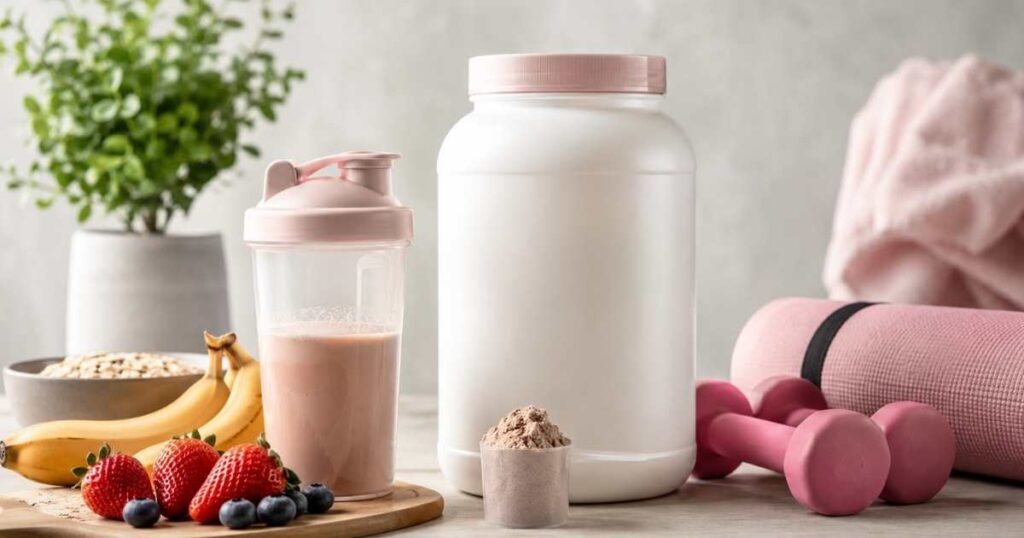
Walk down any supplement aisle and you’ll find dozens of tubs promising to build muscle, curb cravings, or help you “bounce back” faster. For women, the noise is even louder pink packaging, “designed for her” claims, and price tags that don’t always match the ingredients inside.
The truth is simpler than the marketing: the best protein powder for a woman is the one that’s third-party tested, digests well, and fits her actual goals whether that’s building lean muscle in her 20s, staying full through a hectic workday, or protecting bone density after menopause. Below is a research-backed breakdown of the top picks for 2026, plus what recent lab testing reveals about heavy metals in the category, so you can shop with confidence instead of guesswork.
Why Do Women Need Protein?
Protein isn’t just a bodybuilding macro it’s a structural nutrient your body uses to repair tissue, produce hormones and enzymes, and keep your immune system running. For women specifically, adequate protein intake supports:
- Muscle maintenance and growth. Getting enough protein helps preserve lean body mass, which naturally becomes harder to maintain with age.
- Satiety and weight management. Protein is the most filling macronutrient, which can help curb snacking and support a healthy weight.
- Post-workout recovery. Amino acids from protein rebuild the micro-tears in muscle fibers caused by training.
- Hormonal and bone health. During perimenopause and beyond, higher protein intake helps counter anabolic resistance a reduced sensitivity to protein’s muscle-building signal and supports bone density.
Most women are familiar with the standard Recommended Dietary Allowance of 0.8 grams of protein per kilogram of body weight, but that figure is a bare minimum, not a performance target. Active women, older adults, and anyone trying to build or preserve muscle typically benefit from closer to 1.2–2.0 grams per kilogram daily a range most nutrition researchers now consider more appropriate for real-world health goals.
Related Post: Taco Bell Mountain Dew Baja Blast Pie Recipe
Best Protein Powders for Women (2026): Top Expert Picks
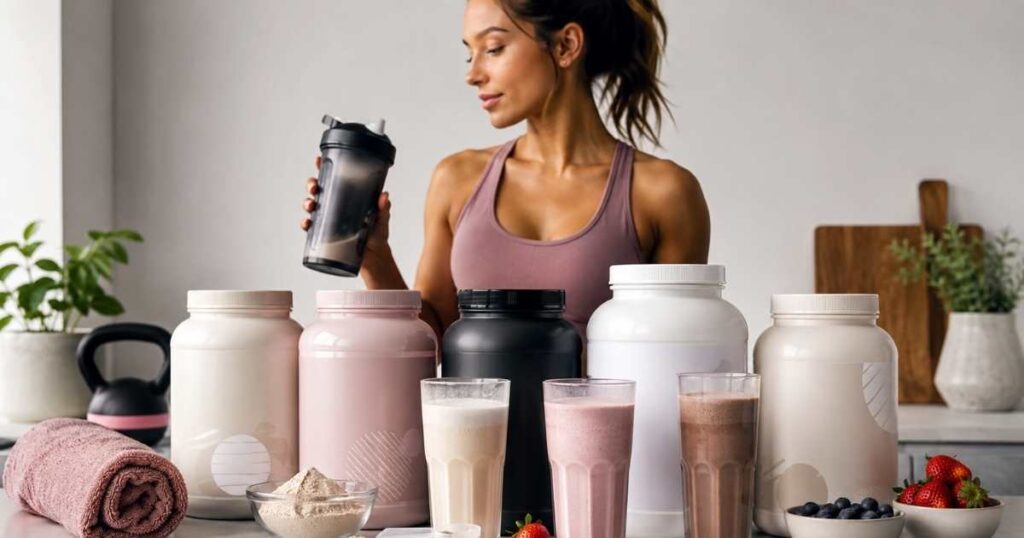
When dietitians and product testers evaluate protein powders, they’re generally looking at protein-per-scoop, added sugar, ingredient transparency, and independent certifications such as NSF Certified for Sport or Informed Choice seals that confirm a label actually matches what’s in the tub. Here’s how the top-rated options for 2026 stack up.
| Product | Best For | Protein per Serving | Standout Feature |
| Transparent Labs Whey Protein Isolate | Overall pick | 28g | Grass-fed, no artificial sweeteners |
| Swolverine Plant Protein | Vegan/plant-based | 25g | Complete pea + pumpkin seed blend |
| Promix Whey Protein Isolate | Sensitive stomachs | 30g | Micro-filtered, low lactose |
| Nutricost Whey Concentrate | Budget | 25g | Lowest cost per serving |
| Thorne RecoveryPro | Overnight recovery | 13g | Magnesium, tryptophan, PharmaGABA |
Best Overall Whey Protein for Women: Transparent Labs Whey Protein Isolate
This grass-fed whey isolate consistently tops expert lists for a reason: 28 grams of protein per scoop, a short ingredient list, and a smooth texture without artificial sweeteners it’s flavored with stevia instead. It also holds Informed Choice and Informed Protein certifications, meaning independent labs have verified both label accuracy and purity. It’s a strong fit for daily use or post-workout recovery.
Best Plant-Based Protein Powder for Women: Swolverine Plant Protein
Built from a pea and pumpkin seed protein blend, this option delivers a complete amino acid profile something single-source plant powders often lack at 25 grams per serving. It skips added sugar and tends to sit more easily in the stomach than many other vegan blends, making it a solid choice for anyone avoiding dairy.
Best Protein Powder for Sensitive Stomachs: Promix Whey Protein Isolate
Micro-filtration strips out nearly all of the lactose and fat found in standard whey, which is often what causes bloating in the first place. At 30 grams of protein per serving and backed by third-party testing, Promix is worth a look for women who tolerate whey generally but react poorly to concentrates.
Best Budget Protein Powder for Women: Nutricost Whey Concentrate
At 25 grams of protein per scoop and one of the lowest costs per serving on the market, Nutricost is a practical option for hitting daily protein targets without overspending. It’s gluten-free and non-GMO, though as a concentrate it carries slightly more fat and carbs than an isolate, and it’s sweetened with sucralose rather than a natural alternative.
Best Protein Powder for Recovery: Thorne RecoveryPro
Rather than maximizing grams per scoop, RecoveryPro is built around what happens after your workout. Its 13 grams of whey protein are paired with magnesium bis-glycinate, tryptophan, and PharmaGABA ingredients aimed at supporting deeper, more restorative sleep, which is when much of your actual muscle repair happens.
Heavy Metals in Protein Powder: What Women Need to Know
Protein powder safety became a major talking point in early 2026 after independent lab testing reignited concerns that had been simmering for years. Because the FDA doesn’t pre-approve supplements before they reach shelves, most contaminant testing falls to consumer watchdog groups or the manufacturers themselves.
What the 2026 Lab Reports Reveal
Large-scale testing of popular protein powders and ready-to-drink shakes found that a majority of products contained more lead in a single serving than food-safety researchers consider acceptable for daily intake. Follow-up testing on specific chocolate-flavored products found meaningfully lower, safer levels in several mainstream brands, suggesting contamination varies significantly by formula and manufacturer not just by category.
One consistent pattern across multiple independent investigations: plant-based powders tend to carry higher heavy metal loads than dairy- or beef-based options. That’s not a manufacturing flaw so much as basic plant biology crops like peas, rice, and hemp naturally draw trace metals such as lead and cadmium up from the soil they’re grown in. An occasional shake isn’t cause for alarm, but chronic, daily exposure to heavy metals over months or years is linked to long-term health risks, which is why regulators and advocacy groups are now pushing for mandatory disclosure.
How to Choose a Safe Protein Powder
You don’t have to give up protein powder you just have to shop smarter:
- Prioritize third-party testing. Look for NSF International, Informed Choice, or Clean Label Project seals on the label.
- Diversify your protein sources. Don’t rely on powder alone build most of your intake from whole foods like chicken, fish, eggs, tofu, and legumes.
- Rotate plant-based scoops. If lead exposure is a concern for you, avoid drinking the same plant-protein product multiple times a day, every day.
- Check for published lab results. Brands that voluntarily share batch-testing data tend to be more transparent overall.
Choosing the Best Protein Powder for Every Life Stage
Protein needs shift as your body, hormones, and lifestyle change. Here’s how to match your powder to your current stage of life.
Best Protein for Busy Professionals and Mothers (Ages 25–40)
Goal: Steady energy, muscle tone, and convenience. Look for a versatile whey isolate or plant blend that mixes easily into water or milk for a fast, grab-and-go option between meetings or school runs.
Best Protein for Athletes and Fitness Enthusiasts (Ages 18–30)
Goal: Muscle growth, faster recovery, and hitting high protein targets. A fast-digesting whey isolate with 25–30 grams per serving, ideally NSF Certified for Sport, supports both performance and purity.
Best Protein for Perimenopause and Post-Menopause (Ages 45+)
Goal: Preserving muscle, supporting bone density, and managing hormonal shifts. Prioritize protein powders rich in leucine, an amino acid that helps trigger muscle protein synthesis and counter age-related anabolic resistance. Some women also add collagen for joint comfort, though collagen alone isn’t a complete protein for muscle-building purposes. Anyone predisposed to kidney disease should talk to a doctor before significantly increasing protein intake.
Track Your Fitness Progress with DEXA Scans
The scale can’t tell you whether the number moving is muscle or fat and that distinction matters far more than total body weight. A DEXA scan measures lean tissue, fat mass, and bone density separately, giving you a clear, data-backed picture of how your protein intake and training are actually changing your body composition over time. Pairing a smart protein strategy with periodic DEXA scans is one of the most reliable ways to know whether your nutrition plan is working.
Conclusion
There no single best protein powder for women there only the best one for your body, goals, and budget. A woman training for strength in her 20s has different needs than one navigating perimenopause in her late 40s, and a sensitive stomach can rule out an otherwise great product in seconds. What matters most is looking past flashy marketing and checking for real protein content, minimal fillers, and independent lab verification especially given how much variability recent heavy metal testing has uncovered across the category.
Used thoughtfully, protein powder is a convenient tool, not a requirement. It works best as a supplement to a diet already built around whole-food protein sources, not a replacement for them. Choose a product that’s third-party tested, matches your life stage and digestive tolerance, and fits comfortably into your routine then let your consistency, not the label, do the heavy lifting.